Site Development and Utilities for McKinney, Collin County, and North DFW
Site development and utility coordination for commercial and industrial projects that need dependable pad readiness and infrastructure sequencing. Pad sites and industrial parcels in McKinney do not move without disciplined utility planning, grading control, and release sequencing across the whole site package. General Contractors of McKinney approaches each site development and utilities assignment as a true general contractor, which means scope definition, preconstruction, field execution, and turnover stay under one accountable workflow instead of breaking apart into disconnected trade packages.
That matters for buyers in McKinney because the schedule pressure usually comes from how decisions connect to one another. Site readiness affects structural release. Procurement affects enclosure. Utility timing affects equipment and finish work. By managing those dependencies as a complete project system, we keep ownership focused on outcomes instead of chasing fragmented updates from multiple parties.
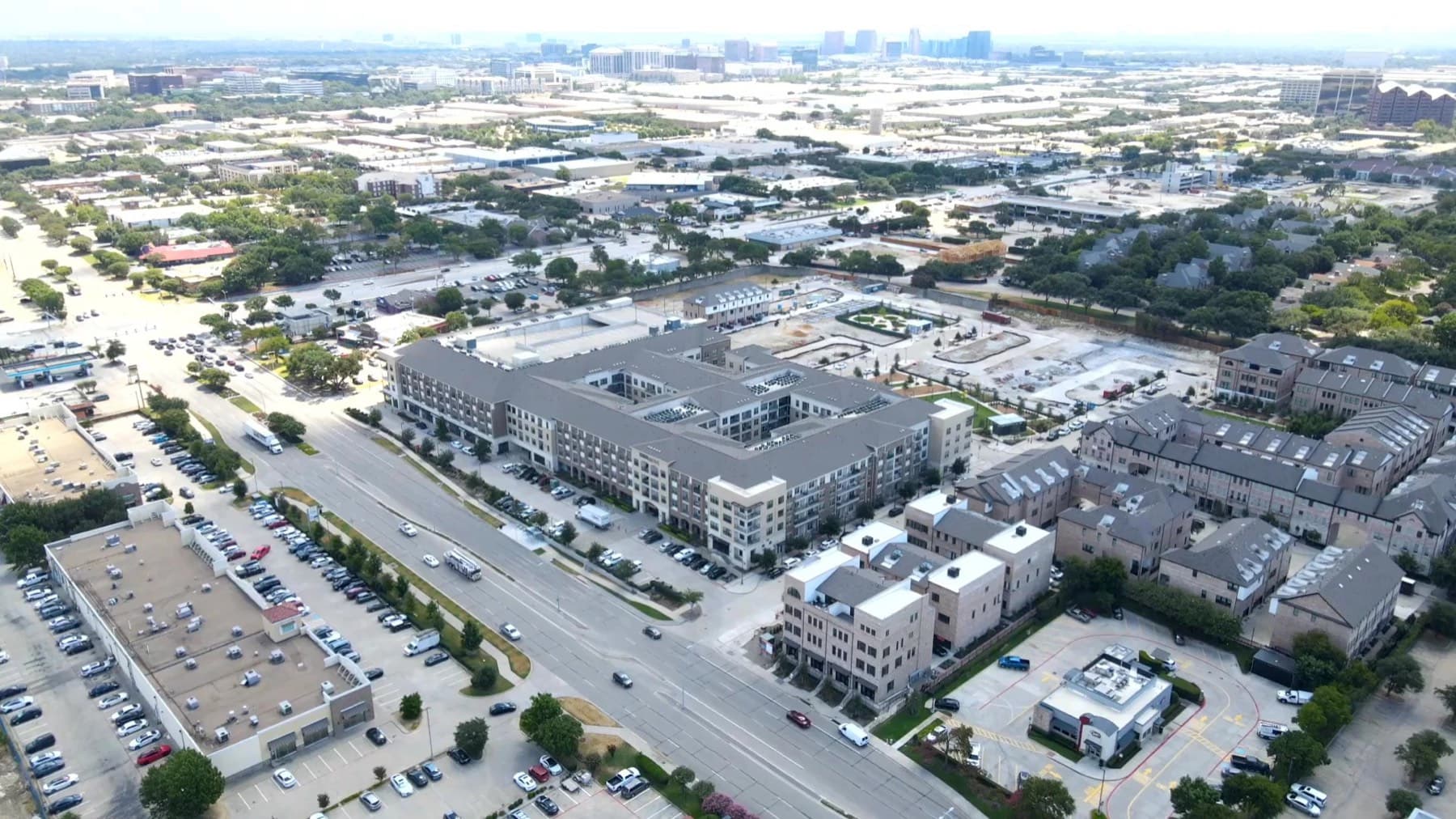
The goal is not just to put work in place. The goal is to create a delivery plan that moves greenfield commercial sites, industrial parks, multi-pad retail developments, and large distribution campuses forward with stronger visibility, practical field sequencing, and owner-ready handoff standards. That is the standard we apply whether the project is a ground-up facility, a phased expansion, or a time-sensitive commercial build-out.
- greenfield commercial sites
- industrial parks
- multi-pad retail developments
- large distribution campuses
How We Set the Work Up
Every site development and utilities project starts with a preconstruction conversation focused on scope, schedule logic, and the decisions that actually drive the field. For this scope, that means clarifying grading and earthwork sequencing, water and sewer coordination, dry utility routing, and pad-ready release planning before work accelerates. Those are the items that protect productivity later, because they reduce the number of late-stage assumptions the site team has to absorb.
Preconstruction also gives ownership a clearer view of risk. In North DFW, schedule pressure can come from municipal reviews, utility commitments, traffic access constraints, design releases, or long-lead material packages. We organize those issues early so the owner has a usable decision path rather than a reactive list of problems after mobilization.
- grading and earthwork sequencing
- water and sewer coordination
- dry utility routing
- pad-ready release planning
What Field Coordination Looks Like
Once the job turns active, General Contractors of McKinney manages site development and utilities around milestone-based coordination instead of ad hoc updates. That includes field leadership, trade communication, owner reporting, and direct management of the handoffs that connect one package to the next. The work stays organized around the schedule, not around whatever trade is loudest on a given day.
For owners and developers, that translates into better visibility. You know which work fronts are clear, which dependencies are approaching, and what is required to keep the finish date protected. That communication rhythm is especially important on commercial and industrial work where one missed release can stall multiple downstream scopes at once.
- Weekly schedule reviews tied to site development and utilities milestones
- Procurement, inspection, and field-status updates in one owner-facing rhythm
- Issue escalation before conflicts turn into lost production time
- Close tracking of turnover-critical scopes and incomplete items
Where Projects Usually Drift And How We Control That
Site Development and Utilities work tends to drift when ownership loses visibility into the real schedule drivers. In this market, that often means unresolved coordination around utility conflict mapping, stormwater permitting checks, subgrade verification, and inspection milestone tracking. None of those issues fix themselves in the field. They have to be anticipated, logged, assigned, and resolved against the milestone plan while there is still room to adjust.
Our delivery model is built to keep those pressure points visible. Instead of treating schedule risk like a field problem only, we connect the reporting loop back to design releases, procurement commitments, and owner decisions. That creates a tighter line between what the project needs and what the team is actively doing to protect the finish date.
- utility conflict mapping
- stormwater permitting checks
- subgrade verification
- inspection milestone tracking
Where This Service Fits Best
In practice, site development and utilities is most effective on projects where the owner needs coordinated delivery across multiple scopes and a clear handoff path into operations or occupancy. That is why we see strong demand for this work on greenfield commercial sites, industrial parks, multi-pad retail developments, and large distribution campuses. These facility types reward careful planning because they often combine schedule-sensitive site packages, structure, systems, and turnover expectations in one job.
McKinney and the broader Collin County market keep expanding with a mix of corporate, logistics, healthcare, and neighborhood-commercial development. Owners need a contractor who can translate those project conditions into a clean workflow, especially when the job is tied to leasing deadlines, equipment startup, phased openings, or tenant coordination.
- greenfield commercial sites
- industrial parks
- multi-pad retail developments
- large distribution campuses
Why McKinney Owners Need More Than Trade Coordination
McKinney sits in a part of North Texas where growth is continuous but not identical from one corridor to the next. A project near downtown carries different access and turnover concerns than a larger parcel near US-380, Craig Ranch, or the northern growth band into Celina and Prosper. The common thread is that the schedule only stays credible when the contractor accounts for local approvals, site logistics, and owner priorities at the same time.
That is why General Contractors of McKinney does not frame this service as a standalone trade package. We frame it as part of the owner's full project outcome. The work has to support leasing, operations, startup, public-facing openings, or future tenant delivery. When those end uses stay visible through preconstruction and field execution, the construction process becomes more predictable for everyone involved.
Turnover, Closeout, And The Final Standard
The finish date matters, but the actual turnover standard matters just as much. Owners should not have to sort through unclear punch items, scattered documents, or last-minute handoff problems after the field schedule is supposedly complete. We treat closeout as a tracked phase of the project, not as an afterthought.
For site development and utilities, that means tying final documentation, inspections, and punch completion to the same milestone logic that drives the rest of the build. It is how we deliver stronger site readiness, cleaner vertical starts, fewer utility-driven delays, and better phasing across large parcels with fewer unresolved issues hanging over the turnover date. The owner gets a clearer path into operations, occupancy, leasing, or startup because the delivery plan stays intact all the way through closeout.
- stronger site readiness
- cleaner vertical starts
- fewer utility-driven delays
- better phasing across large parcels
Related Markets
McKinney, TX
Primary market for commercial and industrial construction across central McKinney, US-75 frontage, and major growth corridors.
Open market pageDowntown McKinney, TX
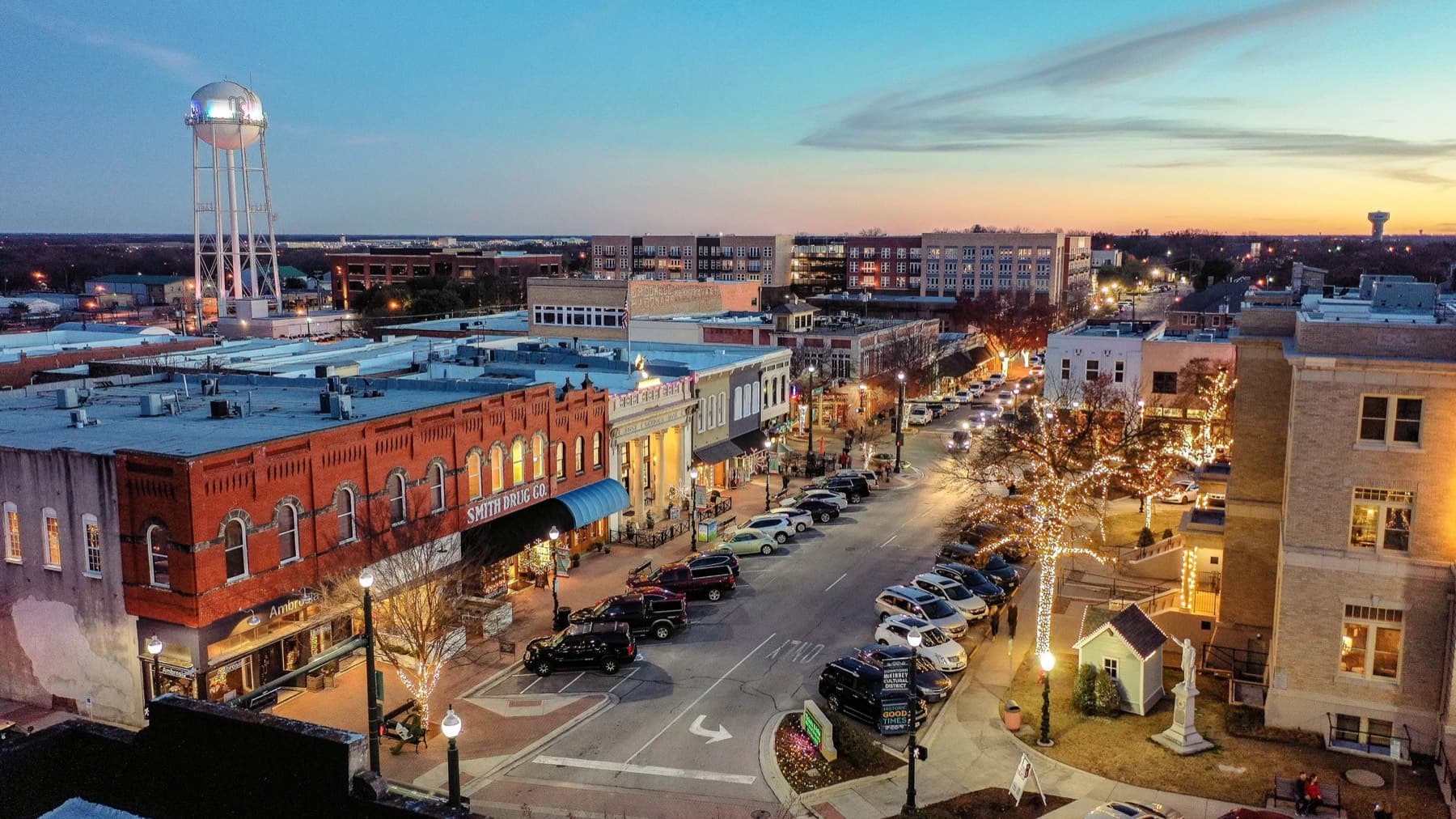
Urban infill and redevelopment support for commercial projects near the courthouse square and surrounding mixed-use streets.
Open market pageCraig Ranch, TX
Master-planned mixed commercial market for office, hospitality-support, and higher-visibility corporate projects.
Open market pageStonebridge Ranch, TX
Neighborhood commercial and service-sector market supporting local retail, office, and community-serving development.
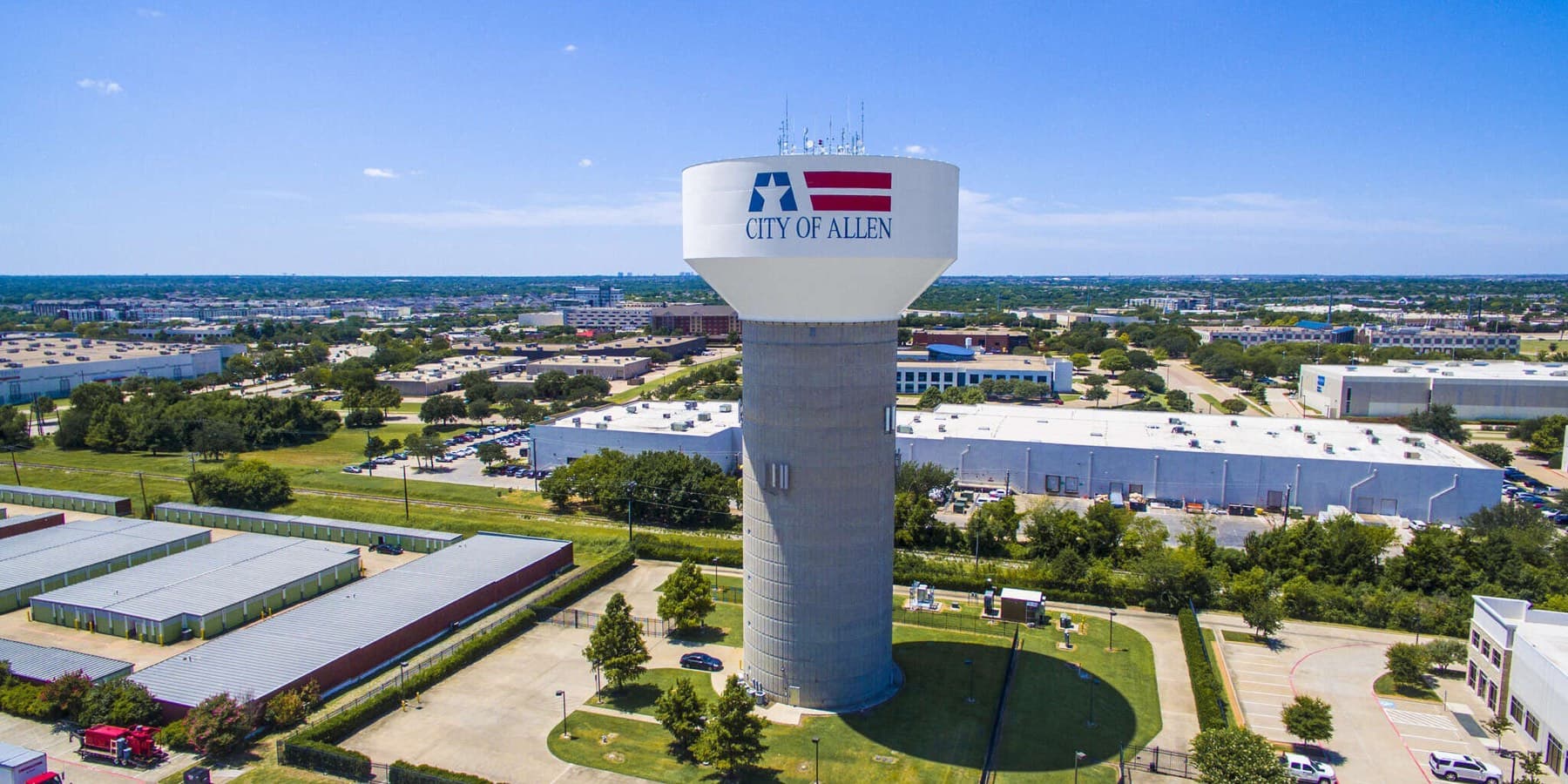
Open market pageAllen, TX
Dense north DFW commercial market with strong retail, office, and service-sector construction demand.
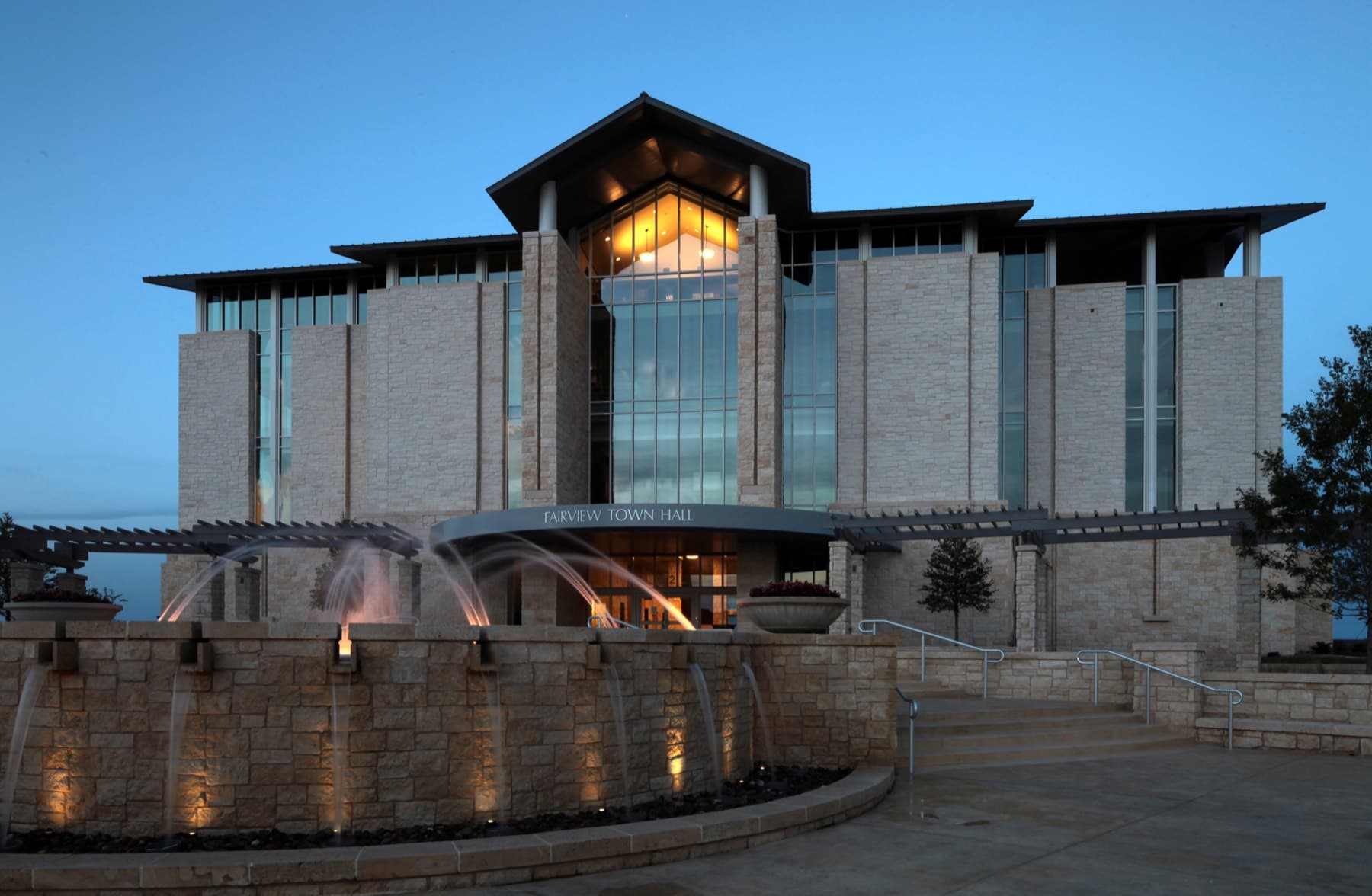
Open market pageFairview, TX
Growth-area market supporting higher-end commercial, healthcare, and mixed retail development along the US-75 corridor.
Open market pageFrequently Asked Questions
What does a general contractor actually coordinate on a site development and utilities project?
General Contractors of McKinney coordinates the entire delivery path for site development and utilities rather than handling one isolated trade. That includes preconstruction, procurement timing, field sequencing, schedule reporting, quality checkpoints, and turnover planning. For owners working in McKinney and the surrounding North DFW market, that single-thread accountability matters because site readiness, utility work, shell progress, and final occupancy needs are rarely independent problems.
When should site development and utilities planning start?
The strongest results come when planning starts before the field crew mobilizes. Early input lets the team validate scope, map procurement risk, set realistic milestones, and coordinate the owner-facing schedule around actual constraints such as municipal reviews, utility availability, and phased occupancy expectations.
Can this service be phased around active operations or future tenants?
Yes. Many commercial and industrial assignments in North Texas require phased turnover, segmented access, or work inside still-active facilities. The delivery plan has to define those boundaries up front so crews are not improvising access or utility changes after the schedule is already compressed.
How do you keep schedule risk visible during construction?
We keep schedule risk visible by tying procurement, inspections, owner decisions, and field handoffs to the same reporting cadence. That makes it easier to spot when a permit, long-lead package, or unresolved coordination issue is about to affect downstream trades and turnover dates.